Use cases /

WMS · Warehousing

What Warehousing does, with agents.

Warehousing (WMS) is Splenta's early, single-warehouse system of record for physical stock: one honest number each for on-hand, reserved and available, backed by an immutable transaction ledger. Every move - receive, put-away, reserve, pick, pack, ship - runs as one enforced state machine, and the same command seam is open to your floor team and to Platform agents. These use cases are illustrative of what that design is meant to enable while the product is in active build; they are not delivered results, benchmarks or customer outcomes.

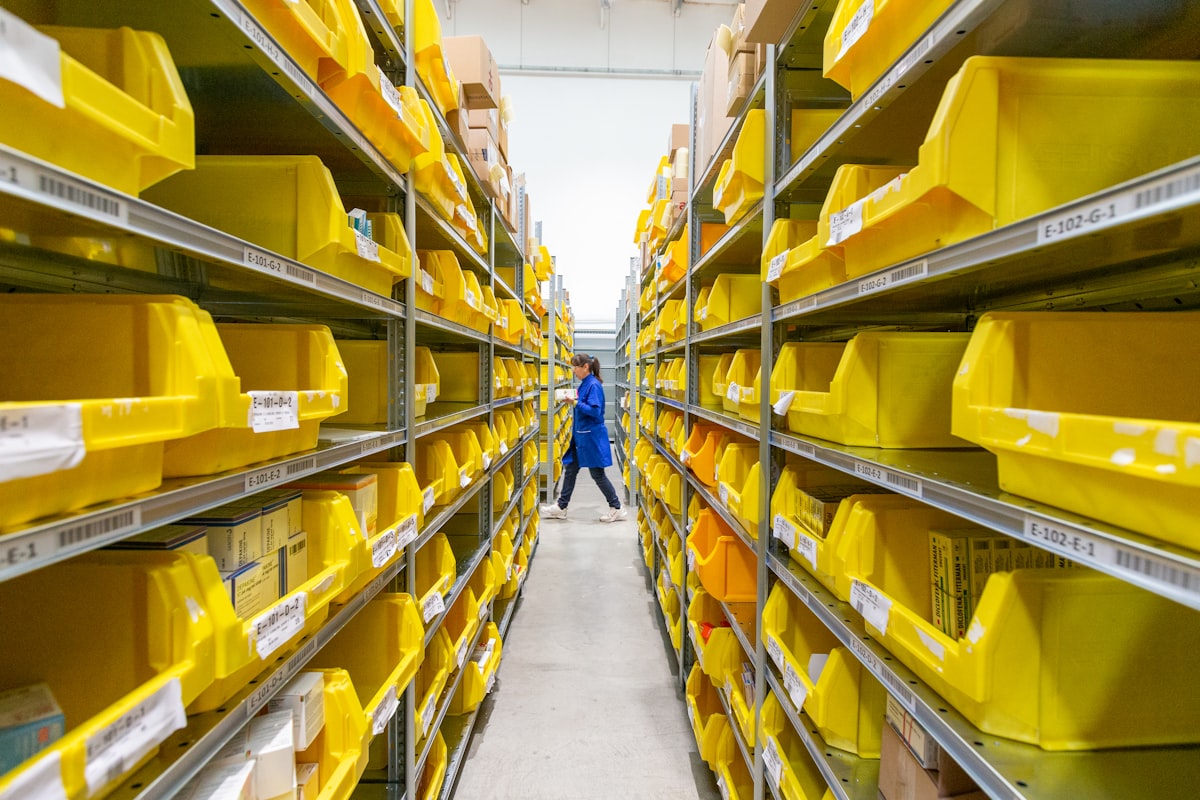
Warehouse picking aisle lined with labeled yellow small-parts bins on tall shelving

Keep fast-moving locations topped up before they run short

Arin watches replenishment targets and raises top-up requests, escalating to procurement only when the warehouse itself is short.

The situation

Pick faces drain through the day and someone has to notice a bin is running low before a picker walks up to an empty location. On a busy floor that noticing is easy to miss until it stalls an order.

How Arin helps

Arin is designed to watch stock against its replenishment targets and, when a target runs short, raise a replenishment request to top it back up from reserve stock. When the warehouse itself is short, the request is meant to cascade to procurement rather than paper over the gap. Each action runs through a scoped, audited replenishment command, and the buy-versus-move decision is the kind of exception surfaced to a human rather than settled silently. Routine top-ups stay hands-off; only the judgment calls reach a person.

What changes

The intent is that low locations get flagged and refilled as a matter of routine, not firefighting. A human stays in the loop for the decisions that actually need one, such as committing a purchase.
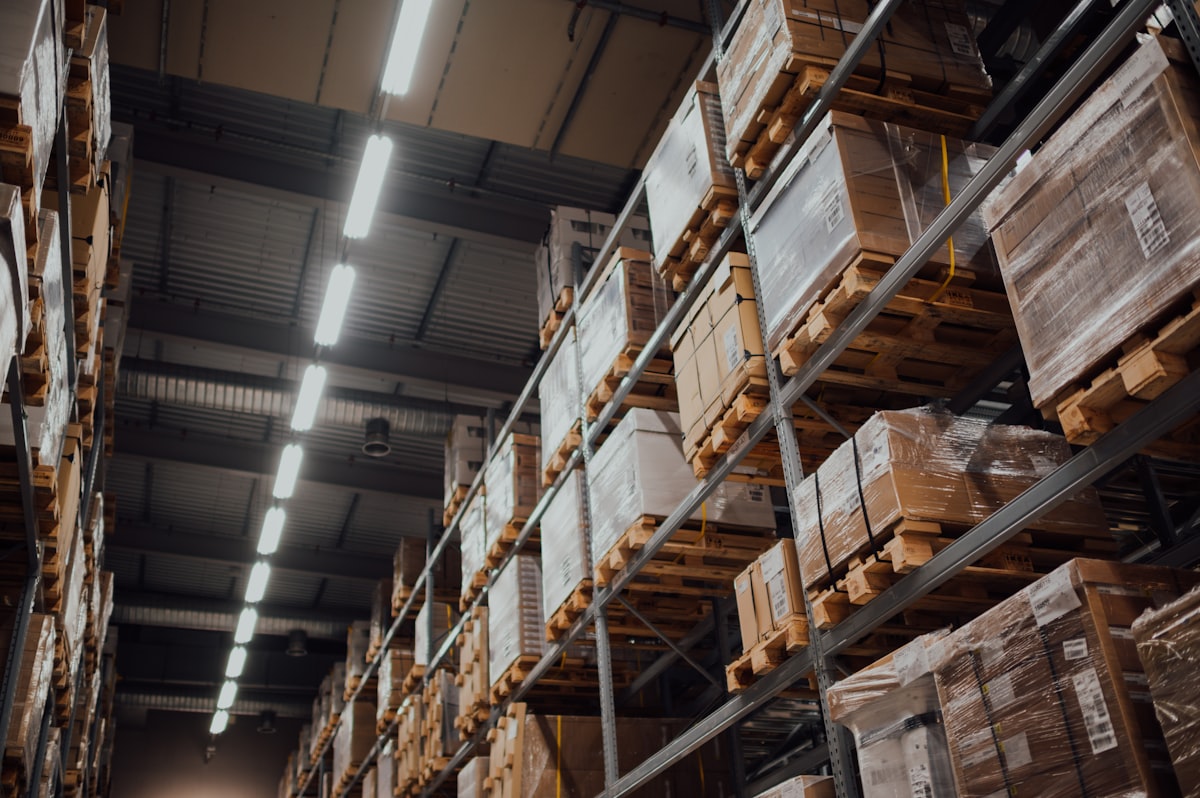
High warehouse aisle with steel racks stacked full of palletized cardboard inventory boxes

Catch short-stock orders before they oversell

Arin surfaces lines that cannot fully reserve, with the context to decide split, wait or backorder.

The situation

An order lands for more units than are actually available at the location. The system must never let that stock go negative, but a person still has to decide what happens to the shortfall.

How Arin helps

Because available is derived as on-hand minus reserved and the negative-balance guard rejects any reserve that would push it below zero, a short line is designed to go partially reserved or backordered rather than oversell. Arin is meant to read available stock, attempt the reserve through the scoped fulfillment command, and collect the lines that could not be fully met. It would present each exception with its numbers so an operator can choose to split the shipment, hold, or backorder. The mechanical reserving stays automatic; the trade-off is handed to a human.

What changes

The aim is that oversell is structurally impossible and short lines never surprise the floor. Every shortfall arrives as a clear decision rather than a silent partial ship.

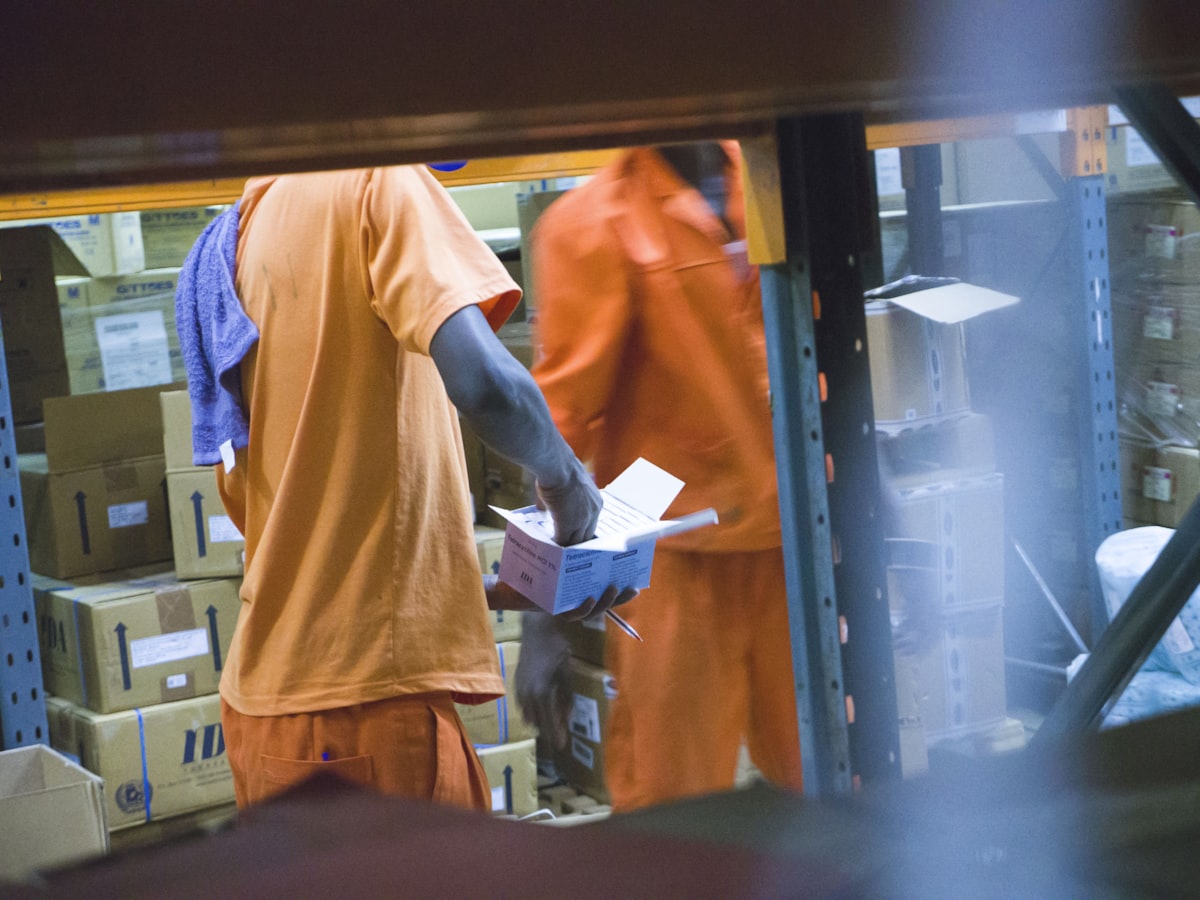
Warehouse worker checking a product carton against paperwork beside racked inventory

Reconcile the count and flag drift you can actually see

Arin folds the ledger to the summary, flags where a cycle count disagrees, and proposes a named adjustment for approval.

The situation

Physical counts and system balances drift apart over time, and by the time anyone reconciles it is hard to say where or when the gap opened. Adjustments made without a trail just move the mystery around.

How Arin helps

Every movement in WMS is an immutable, named transaction, and folding that log for an item at a location is designed to reconcile exactly to its summary. Arin is meant to run and read cycle counts through the scoped stock commands, compare the counted figure to the derived balance, and flag any location where the two disagree. For a confirmed gap it would propose an inventory adjustment or defect write-off as an honest, named event for a human to approve. Nothing mutates a balance in place, so a discrepancy stays a visible row rather than an argument.

What changes

The intent is that drift becomes a specific, located finding instead of a vague variance. Corrections leave a replayable trail that ties back to who adjusted what and why.

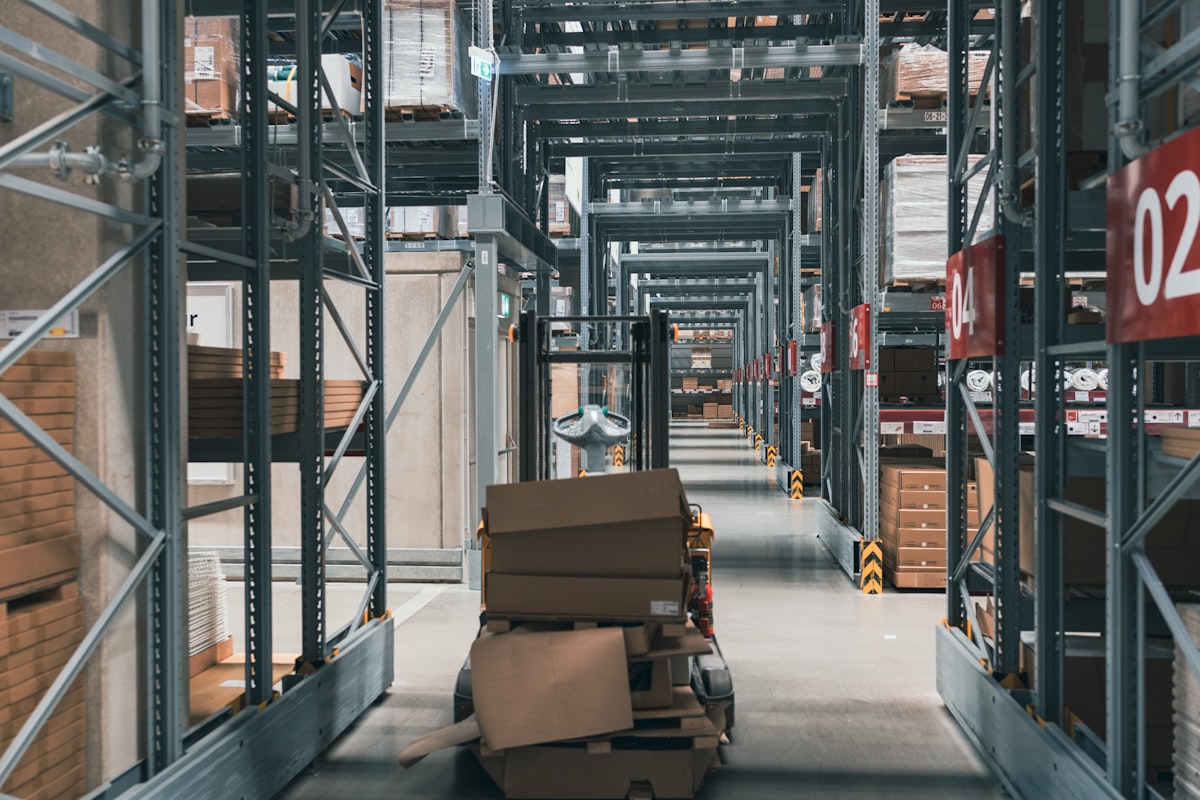
Cart of collapsed and set-aside cardboard boxes parked in a numbered warehouse racking aisle

Put damaged stock on hold and clear it without losing the trail

Arin routes flagged units to a blocked location and proposes a write-off that stays on the record.

The situation

Damaged or suspect units need to come out of available stock immediately, but they also cannot just vanish from the books. Someone has to hold them, decide their fate, and keep the paperwork honest.

How Arin helps

The warehouse topology carries a blocked flag on any node, so a location can be placed on hold to keep suspect units out of fulfillment. Arin is designed to move flagged stock into a blocked location and, once inspected, propose a defect write-off through the scoped stock command for a human to approve. Because write-off and internal consumption are named events on the same ledger, the units leave available cleanly while every step remains a replayable transaction. The holding and routing can run automatically; the decision to write value off stays with a person.

What changes

The goal is that bad stock is quarantined out of available fast, without a quiet balance edit. What was held, cleared and written off all reads back off one honest log.

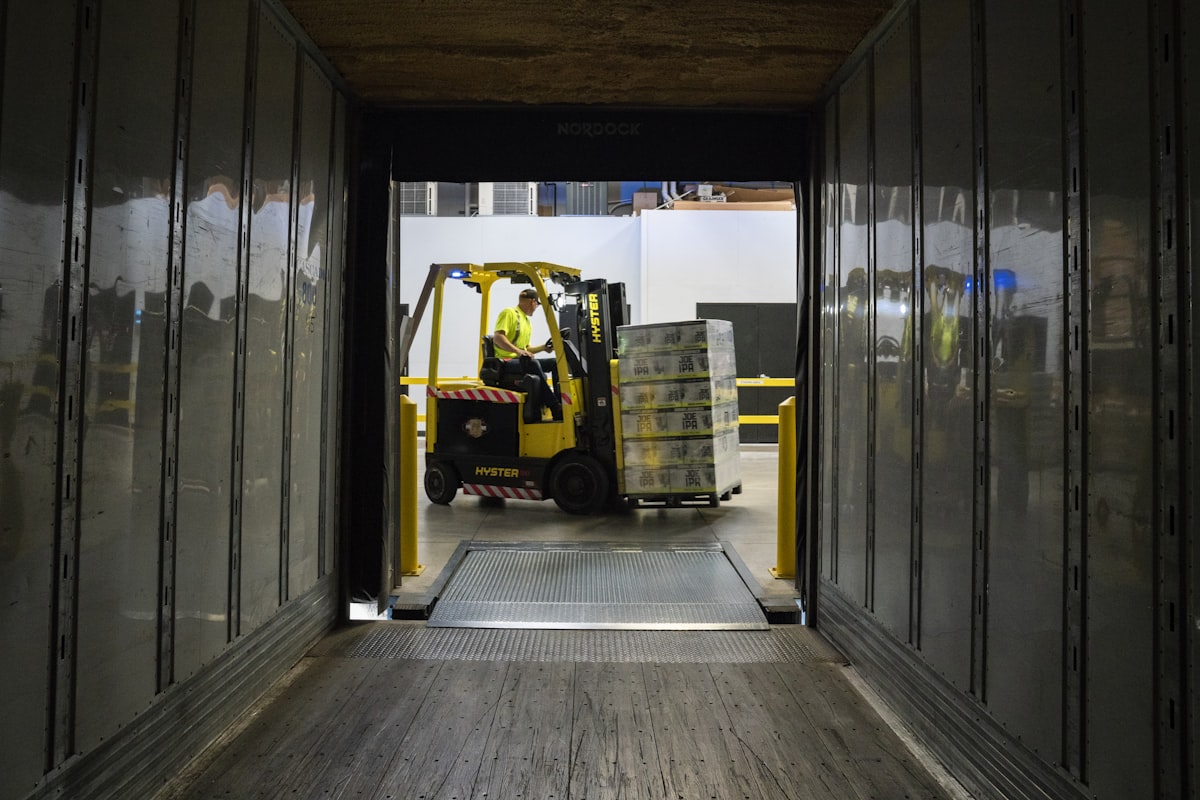
Forklift receiving a pallet of goods at a warehouse loading dock viewed from inside the trailer

Turn receiving and put-away into a routine that runs the same way every time

Describe your dock-to-shelf steps in plain language and PECO builds a confirmed, repeatable workflow.

The situation

Receiving is easy to do inconsistently: goods get counted in loosely, or put away wherever there is space rather than into a real, recorded location. That informality is where phantom stock and lost pallets begin.

How PECO helps

PECO is designed to take a plain-language description of how you want goods handled - receive against the purchase order, count what truly arrived, confirm put-away into a specific location - and turn it into a confirmed, repeatable automation you can see and edit. The steps map onto the real inbound commands, so stock is only meant to count once it has genuinely landed and been placed. You confirm the workflow before it runs, and it executes the same ordered way on every delivery. It is a visual builder, not a black box, so the floor lead owns the logic.

What changes

The intent is that receiving stops depending on who is on shift and follows one agreed shape. Put-away lands in real locations, so the ledger reflects where things actually are.

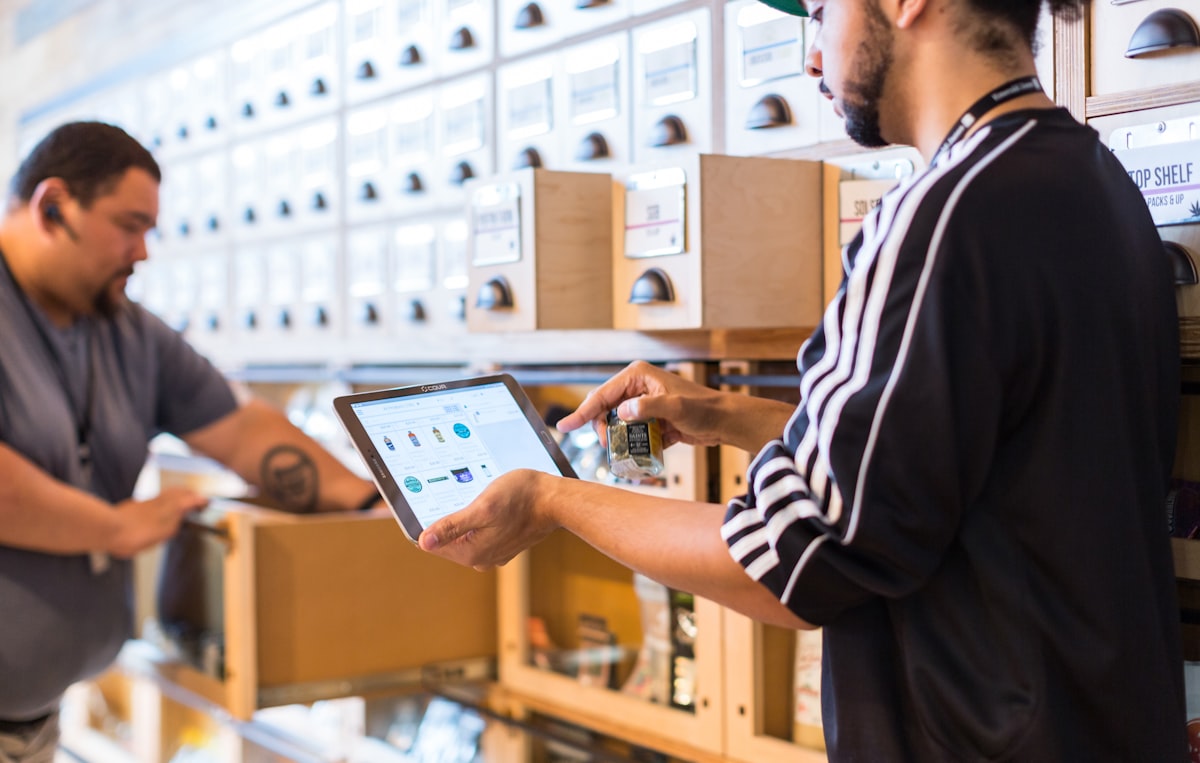
Warehouse operator tapping a tablet console while working at labeled stock shelving

Let a floor assistant act inside the console, but only within the operator's scope

Semorel lets a trusted assistant read live stock context and invoke only the actions the operator is authorized for.

The situation

An operator working the packing or inventory routes wants to ask for help in plain terms - reserve these, pick that - without clicking through eight screens. But an in-app assistant must never be able to do more than the person signed in is allowed to do.

How Semorel helps

Semorel is designed to let a trusted AI assistant embedded in the operator console read the live semantics of what is on screen - on-hand, reserved and available at a location - and invoke only the actions the operator is authorized for. Those actions go through the same command seam as every other write, so reserve, pick and pack still pass the scope gate, validation, idempotency and audit. The assistant cannot reach past the operator's granted scopes, and reads stay on their read path by design. It is help inside the app the person already has, not a new set of powers.

What changes

The aim is a console that responds to plain intent while staying inside the exact permissions the operator holds. Every agent-driven action lands on the same audited seam as a manual click.

See Warehousing run on your work.

These use cases are how Warehousing is designed to work with the Platform agents. Tell us about your operation and we will set up a look.